By The DMG Park City Team
Park City's Main Street sits at about 7,000 feet, and the ski runs above town climb past 10,000. That elevation is the reason the summers stay cool, the powder stays dry, and a first hike or ski day can leave you breathing harder than you expected. It is worth understanding whether you are here for a week or looking to stay for good. Here is what Park City's elevation actually means, and how to make the most of it.
Key Takeaways
- Park City's town elevation is mostly above 7,000 feet, roughly 2,800 feet higher than Salt Lake City.
- Park City Mountain rises from a 6,800-foot base to a 10,026-foot summit near Jupiter Peak.
- Utah has one of the highest average elevations of any state, topped by 13,528-foot Kings Peak.
- Plan on up to three days to adjust, and drink more water than you think you need.
How High Is Park City? Elevation by the Numbers
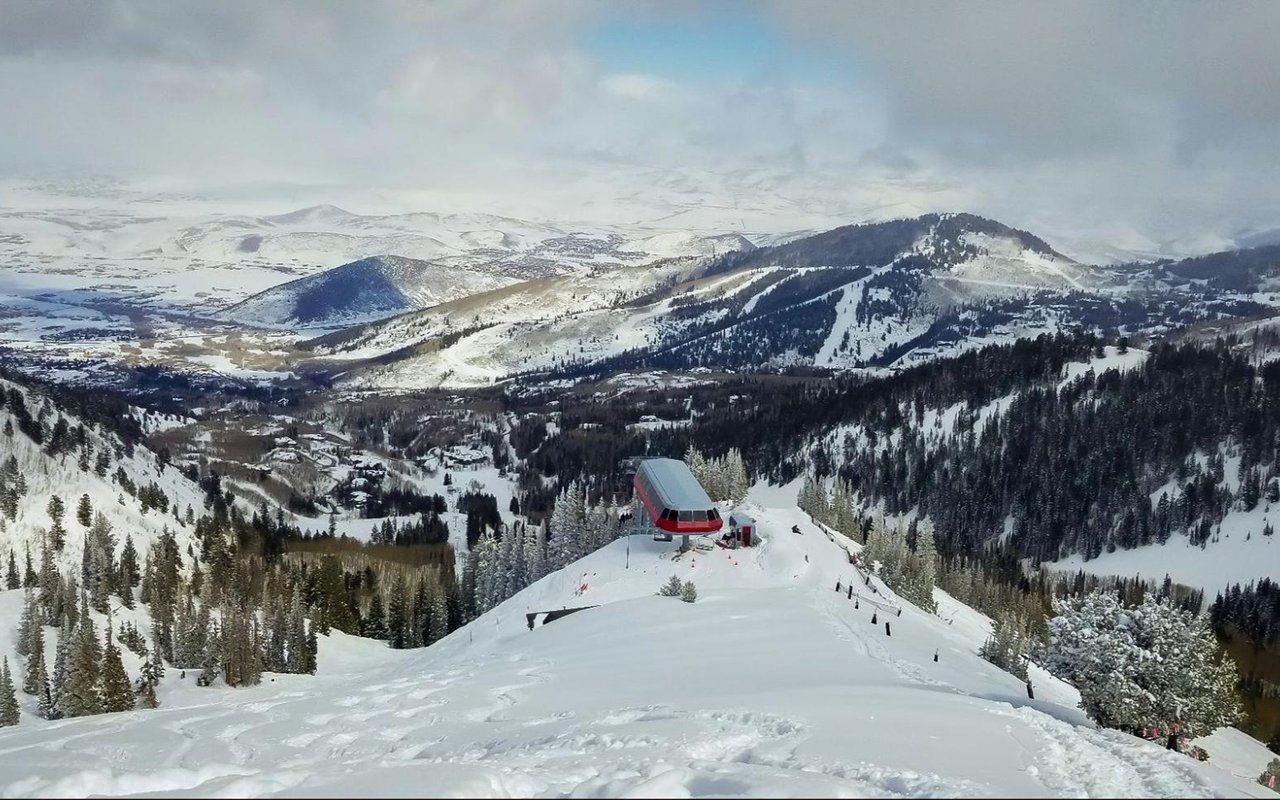
Park City's town sits mostly above 7,000 feet, and the resorts climb well past that. Park City Mountain runs from a 6,800-foot base to a 10,026-foot summit near Jupiter Peak, a vertical rise of about 3,226 feet. Deer Valley spans a similar range, from a 6,570-foot base at Snow Park to a top of 10,000 feet. Neighborhoods sit at different heights too, from Old Town near 7,000 feet to Empire Pass on Deer Valley's upper mountain, around 8,000 feet and higher.
Park City Elevations at a Glance
- Town of Park City: mostly above 7,000 feet.
- Park City Mountain: 6,800-foot base, 10,026-foot summit.
- Deer Valley: 6,570-foot base, 10,000-foot top.
- Salt Lake City, for comparison: about 4,200 feet.
Park City Elevation vs. the Rest of Utah
Park City is high even by Utah standards, and Utah is a high state to begin with. It has one of the highest average elevations in the country, behind only Colorado and Wyoming, and its tallest summit, Kings Peak in the Uinta Mountains, reaches 13,528 feet. Salt Lake City, less than an hour away, sits far lower at about 4,200 feet, which is why the drive up gains elevation quickly.
How Park City Compares
- Salt Lake City: about 4,200 feet.
- Park City town: mostly above 7,000 feet.
- Park City Mountain summit: 10,026 feet.
- Kings Peak, Utah's highest point: 13,528 feet.
What the Altitude Feels Like, and How to Adjust
At this elevation the air holds less oxygen and far less moisture, so most visitors notice they tire faster and feel thirsty less often on the first day or two. Give your body up to three days to adjust before a hard hike or a full day of skiing. Utah's tourism office recommends drinking plenty of water, going easy on alcohol and caffeine at first, and wearing strong sun protection, since snow reflects UV.
Tips for Handling the Altitude
- Drink more water than usual, starting before you arrive.
- Limit alcohol and caffeine for the first day or two.
- Wear SPF 30 or higher and reapply through the day.
- Ease into elevation and watch for headache, nausea, or dizziness.
How Elevation Shapes Park City's Weather
The altitude does more than test your lungs; it sets the whole climate. Higher ground keeps summer days cooler than the valley, with crisp evenings even in July, which is part of why the town fills up between ski seasons. In winter, the cold, dry air produces the low-moisture powder Utah is known for, and the resorts average hundreds of inches of it each season.
What the Elevation Delivers
- Cooler summers than Salt Lake City and the valley floor.
- Deep, dry powder through the ski season.
- Strong sun year-round, so pack sunscreen.
- Cold, clear nights even in midsummer.
Does Elevation Matter When You Buy in Park City?
Elevation is not only a visitor question; it shapes where and how people build here. Higher neighborhoods like Empire Pass hold snow longer and stretch the ski season, while lower areas near the Jordanelle warm up sooner in spring. Elevation also affects sun exposure, views, and how long the landscaping season runs, so it is worth weighing when you compare neighborhoods.
What Elevation Means for a Home
- Higher neighborhoods hold snow and ski access later into spring.
- Lower areas near the Jordanelle warm earlier and green up sooner.
- South-facing lots at any elevation gather more winter sun.
- Building at altitude calls for the right insulation and snow-load design.
Frequently Asked Questions
How high is Park City, Utah?
The town sits mostly above 7,000 feet, and the resorts climb higher, with Park City Mountain topping out at 10,026 feet. That is roughly 2,800 feet above Salt Lake City.
Will I get altitude sickness in Park City?
Some visitors feel mild effects like headache, tiredness, or shortness of breath in the first day or two, especially coming from sea level. Drinking water, easing into activity, and limiting alcohol early on go a long way, and most people adjust within about three days.
How does Park City's elevation compare to Denver?
Park City's town elevation of 7,000-plus feet is higher than Denver's mile-high 5,280 feet, and its resort summits climb well above 10,000 feet. Utah as a whole is one of the highest states in the country.
Contact Us Today About Living in Park City
Elevation is one of the first things people ask us about, and it is a good sign, because it means they are picturing life up here. Whether you are planning a visit or a move, we are happy to help you find your footing, from the best time to come to the right neighborhood.
We are proud that the Dawn McKenna Group is the #1 mega team in Park City, Utah, so when you are ready to make the mountains home, you will have local guidance every step of the way. Reach out to us, The DMG Park City Team, and let's talk about life at 7,000 feet.
We are proud that the Dawn McKenna Group is the #1 mega team in Park City, Utah, so when you are ready to make the mountains home, you will have local guidance every step of the way. Reach out to us, The DMG Park City Team, and let's talk about life at 7,000 feet.